The Critical Role of Fuel Efficiency
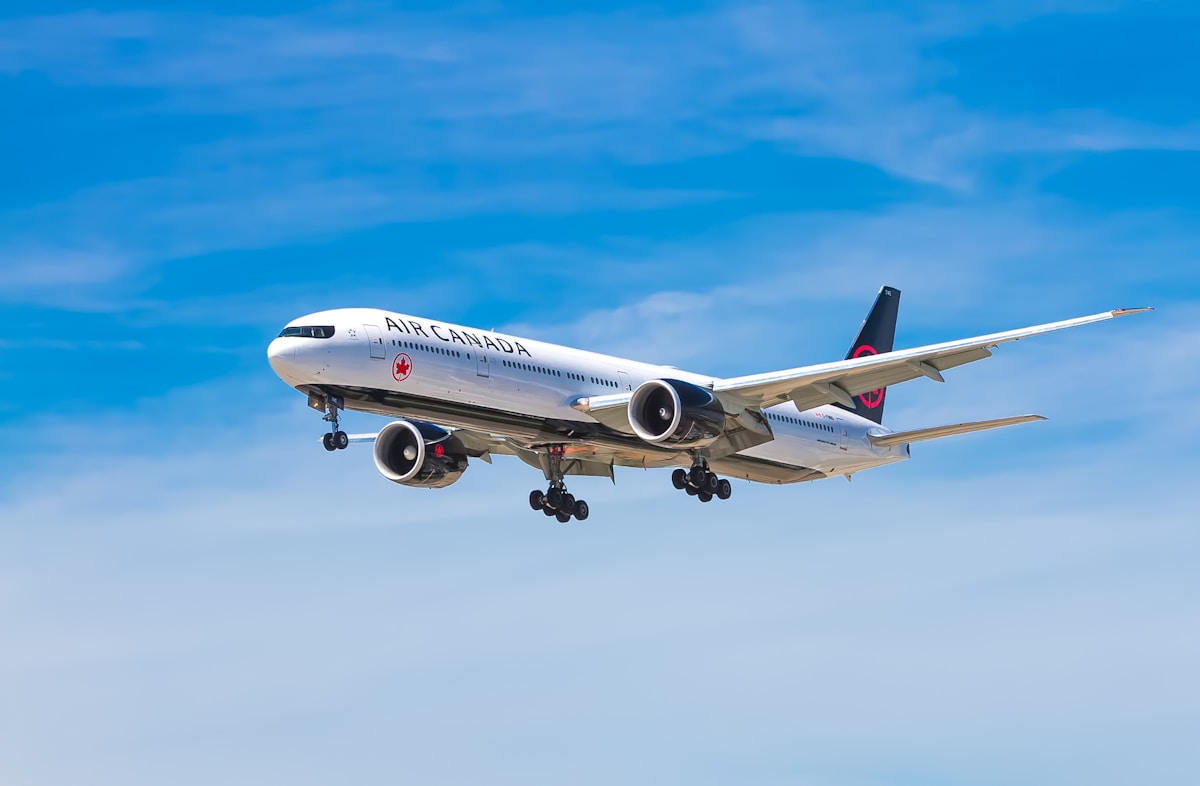
Efficiency varies a lot with how far you’re going. Short flights are disproportionately fuel-hungry because takeoff and climb eat so much energy relative to the total distance. The sweet spot for efficiency is typically medium-haul flights where the cruise phase dominates.
More passengers means better per-person efficiency since the plane’s base fuel consumption gets spread across more revenue-generating bodies. An 85% full airplane is dramatically more efficient per passenger than a 60% full one flying the exact same route.
Every extra kilogram costs fuel to carry. Airlines obsess over weight management — optimizing fuel loads, using lightweight catering equipment, enforcing baggage policies. I’ve seen airlines save hundreds of thousands of dollars a year just by switching to lighter beverage carts. It sounds trivial. It isn’t.
Higher cruise altitudes generally improve efficiency because thinner air means less drag. But the optimal altitude depends on aircraft weight, weather conditions, and whatever ATC is willing to give you. It’s not as simple as just climbing as high as possible.
Flying faster burns more fuel because drag increases with speed. Airlines set cruise speeds using cost index calculations that balance fuel costs against time-related costs like crew pay and aircraft leases. Sometimes slowing down a few knots saves real money.
Headwinds are the enemy. Strong headwinds can add thousands of pounds of extra fuel burn on a single flight. Tailwinds are a gift. Strategic routing to exploit favorable winds or dodge headwinds makes a huge difference. And deviating around thunderstorms adds miles and fuel that nobody planned for.
Airlines don’t just hope for good fuel numbers. They actively manage efficiency through multiple programs:
Aircraft and engine technology keeps pushing efficiency forward:
Higher bypass ratios, advanced materials that handle higher temperatures, and better component design have slashed fuel consumption over the decades. The LEAP and PW1000G engine families deliver 15%+ improvements over the engines they replaced.
Winglets, riblets, and natural laminar flow designs all cut drag. Computational fluid dynamics lets engineers optimize shapes that would have been impossible to design with older tools. The aerodynamic refinement on modern aircraft is remarkable when you compare them to jets from even 20 years ago.
Carbon fiber composites save weight while maintaining strength. The 787 is roughly 50% composite by weight, and that’s a big part of why it’s so much more fuel-efficient than aluminum-bodied predecessors.
Electric systems replacing pneumatic and hydraulic components reduce both weight and parasitic power extraction from engines. Less bleed air demand means more energy available for thrust.
Airlines use increasingly sophisticated analytics to squeeze out efficiency gains:
Post-flight analysis compares what actually happened to what was planned. Where did fuel burn deviate from the plan? What caused it? Every flight generates lessons if you bother to look.
Systematic review of routes, altitudes, and procedures to find efficiency improvements hiding in the operational data. Sometimes the gains come from surprising places.
Comparing efficiency across fleet types, routes, and even individual crews to identify best practices and spot underperformance. The data doesn’t lie, and it doesn’t play favorites.
Machine learning models now help optimize flight planning based on forecast conditions and historical patterns. The algorithms keep getting smarter, and the fuel savings keep adding up.
Fuel efficiency ties directly to aviation’s environmental footprint, and this part matters more every year:
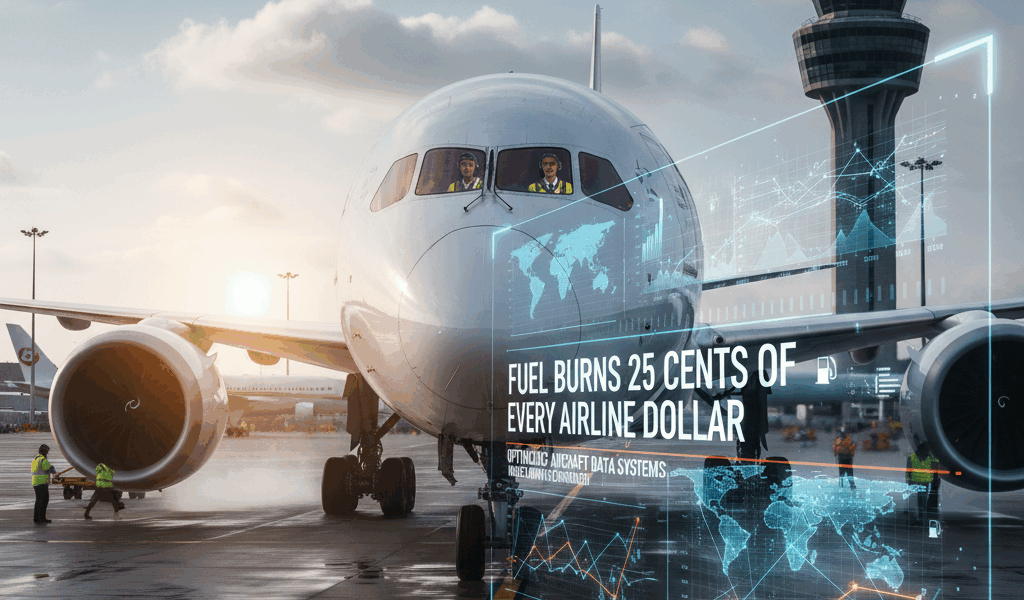
The financial stakes of fuel efficiency are enormous:
Fuel efficiency data drives everything from individual flight planning to billion-dollar fleet strategy decisions. New technology, smarter operations, and better analytics keep pushing efficiency forward, though the pace needs to accelerate if aviation is going to hit its environmental targets. Understanding these metrics is essential for anyone who wants to make informed judgments about how airlines operate and how aviation’s environmental story is actually playing out.



Stay in the loop
Get the latest aerodata updates delivered to your inbox.