
As someone who worked with ADS-B data, radar systems, and airline operations centers for years, I learned everything there is to know about how the industry tracks 10,000+ aircraft in real time across the globe. Today, I will share it all with you.
The transformation has been dramatic. We went from simple position reports — basically radio calls saying “I’m here” — to comprehensive real-time operational awareness that would have looked like science fiction just a few decades ago. Modern tracking gives airlines, military operators, and business aviation visibility that fundamentally changes how they make decisions.
Core Tracking Technologies
No single technology does it all. Modern fleet tracking combines multiple systems to build a complete picture:
ADS-B (Automatic Dependent Surveillance-Broadcast)
This is the backbone of modern tracking. Aircraft equipped with ADS-B Out transponders continuously broadcast their position, altitude, velocity, and identification. Ground stations and satellites pick up these broadcasts, painting a comprehensive picture of air traffic. ADS-B mandates now require equipage for most aircraft in controlled airspace. It’s not optional anymore.
Secondary Surveillance Radar (SSR)
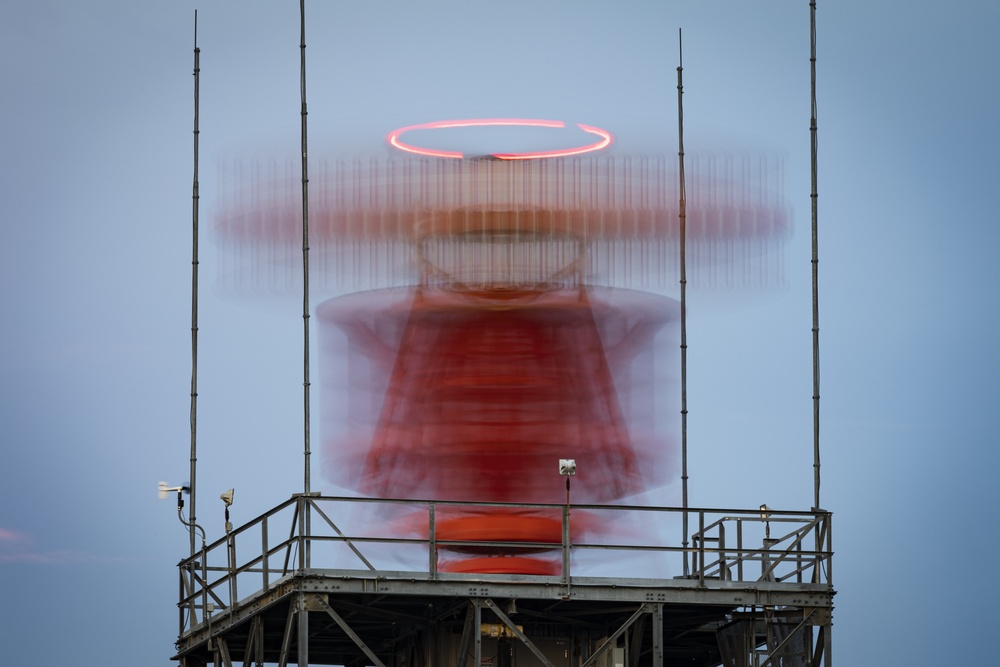
The traditional workhorse. Radar interrogates aircraft transponders, which respond with identification and altitude data. SSR provides position tracking wherever ground-based radar infrastructure exists, filling in alongside ADS-B coverage. It’s older technology but still essential.
Satellite-Based ADS-B
This is what closed the biggest gap in global tracking. Companies like Aireon deployed ADS-B receivers on satellite constellations, which means aircraft can now be tracked over oceans and remote areas where there are no ground stations for thousands of miles. Before this, planes effectively disappeared from tracking for hours at a time over the middle of the Pacific or Atlantic. That era is mostly over.
ACARS and SATCOM
ACARS — Aircraft Communications Addressing and Reporting System — and satellite communication links transmit operational messages that include position reports. They’re not primarily tracking systems, but they provide supplementary position data and enable two-way communication between aircraft and ground. Think of them as the backup channel that’s always running.
Operational Tracking Applications
All this tracking data enables several critical operational functions:
Real-Time Position Monitoring
Operations centers see aircraft positions on moving map displays, updated continuously. This visibility means they can respond immediately to developing situations — weather deviations, mechanical issues, or operational disruptions that require rerouting or diversion decisions. No more waiting for a radio call to find out what’s happening.
Flight Following
Dispatchers track each flight against its planned route and schedule. When something deviates, the system flags it. Flight following ensures someone on the ground always knows where each aircraft is and can act if communication drops out. After MH370, this took on even greater urgency across the industry.
Arrival Prediction
Tracking data feeds into estimated arrival time calculations. Position, speed, weather, and traffic information get combined to produce predictions that grow more accurate as the flight progresses. Ground teams use these predictions to schedule gates, ground handlers, and fuel trucks.
Delay Management
When disruptions cascade through a network, tracking systems help coordinators understand the real-time picture. Which aircraft can cover which flights? How are delays spreading? Where can we swap equipment to minimize damage? Real-time tracking turns what used to be guesswork into informed decision-making.
Fleet Tracking for Airlines
Commercial airlines run sophisticated tracking operations that integrate with their entire operational stack:
Operations Control Centers
Airlines maintain 24/7 ops centers monitoring entire fleets. Wall-sized displays show aircraft positions, weather systems, and operational status. Specialists handle dispatch, crew tracking, maintenance coordination, and irregular operations — all in the same room, all working off the same tracking data. I’ve spent time in several of these centers and they’re genuinely impressive. The coordination happening in real time is remarkable.
Integration with Planning Systems
Tracking data feeds directly into crew management, maintenance planning, and schedule optimization. When aircraft positions change, downstream systems update automatically. Crew assignments get reshuffled. Maintenance windows adjust. Passenger rebooking kicks in. The integration is what makes it all work.
Fuel Optimization
Real-time position and performance data enables in-flight fuel optimization that would have been impossible a generation ago. Ground systems can recommend altitude changes or speed adjustments based on updated weather and traffic conditions. The savings add up across thousands of flights.
Business Aviation Tracking
Corporate and charter operators have their own set of tracking needs:
Trip Support Services
Business aviation commonly relies on third-party trip support providers for tracking. These services monitor flights, coordinate ground handling, and alert operators when situations develop that need attention.
Security and Privacy
High-profile travelers often need their tracking data protected. Programs like the FAA’s LADD (Limiting Aircraft Data Displayed) and commercial blocking services prevent public platforms from showing certain aircraft positions. It’s a real concern for executives, celebrities, and anyone who’d rather not have their movements broadcast to the world.
Part 91 vs. Part 135
Regulatory requirements differ for private operations (Part 91) versus charter (Part 135). Commercial operations face more stringent tracking and monitoring requirements, which makes sense given the higher stakes.
Military Fleet Tracking
Military aviation presents unique tracking challenges that civilian systems don’t face:
Tactical Security
Military aircraft often need tracking that friendly forces can see but adversaries cannot. Secure communication links and selective transponder operation balance operational awareness against the need for concealment. It’s a constant tension.
Global Deployment
Military transport and tanker fleets operate worldwide, frequently to locations with zero civilian infrastructure. Satellite-based tracking isn’t just convenient for military aviation — it’s essential.
Mission Integration
Tracking feeds directly into mission planning, aerial refueling coordination, and combat operations management. The way position data integrates with tactical systems goes far beyond anything in the civilian world.
Data and Analytics
Tracking generates data that’s valuable well beyond real-time monitoring:
Historical Analysis
Archived tracking data powers route analysis, schedule optimization studies, and operational reviews. How do aircraft actually fly routes versus what was planned? Where do delays concentrate? The historical record answers questions the real-time display can’t.
Performance Trending
Comparing actual flight profiles to plans reveals performance degradation, fuel system anomalies, or navigation issues. Tracking data complements dedicated engine monitoring to build a fuller picture of aircraft health.
Benchmark Studies
Aggregated tracking data enables industry-wide benchmarking. How do different airlines perform on identical routes? Where is airspace congestion actually hurting operations? The data tells you things no amount of anecdote can.
Emergency Response
When things go wrong, fleet tracking becomes absolutely critical:
- Search and rescue: Last known position data guides SAR operations and narrows the search area dramatically.
- Security events: Tracking data helps identify suspicious movements or confirm where an aircraft actually is during a security concern.
- Natural disasters: Position data reveals which aircraft are affected and which are available for emergency response.
- Medical diversions: Real-time positions let dispatchers instantly identify the closest suitable airports when a passenger has a medical emergency at 35,000 feet.
Challenges and Limitations
Even with all the progress, tracking isn’t perfect:
- Coverage gaps persist: Some remote oceanic and polar areas still have limited tracking, though satellite ADS-B is closing the gaps steadily.
- Latency is real: Even “real-time” tracking involves delays from data transmission and processing. It’s close to real-time, not truly instantaneous.
- Systems fail: Aircraft equipment can malfunction, and satellite or ground infrastructure occasionally goes down. Redundancy helps but doesn’t eliminate the risk.
- Information overload: Large fleets generate massive data volumes. Without sophisticated filtering and smart alerting, operators drown in data instead of gaining awareness.
Future Developments
Fleet tracking keeps evolving:
- Expanded satellite coverage: New constellations will further improve polar and oceanic tracking until true global coverage becomes standard.
- Higher update rates: More frequent position reports enable better traffic prediction and tighter separation standards.
- UTM integration: Unmanned traffic management for drones will require entirely new tracking paradigms as that airspace fills up.
- AI-powered analysis: Machine learning will catch patterns and anomalies that human operators would miss in the flood of data.
Key Takeaways
Fleet tracking provides the foundation for safe and efficient aviation operations. ADS-B, radar, satellite receivers, and communication links combine to create situational awareness that spans the globe. Airlines, business aviation, and military operators all depend on this data for everything from routine operations to emergency response. As tracking capabilities keep advancing, they’ll enable ever-more sophisticated management of the world’s airspace. And honestly, the progress over just the last decade has been extraordinary.



Stay in the loop
Get the latest aerodata updates delivered to your inbox.