
Aircraft tech logs have gotten complicated with all the digital transitions and regulatory updates flying around. As someone who spent years around military and commercial flight lines, I learned everything there is to know about the document that serves as an airplane’s daily health record. Today, I will share it all with you.
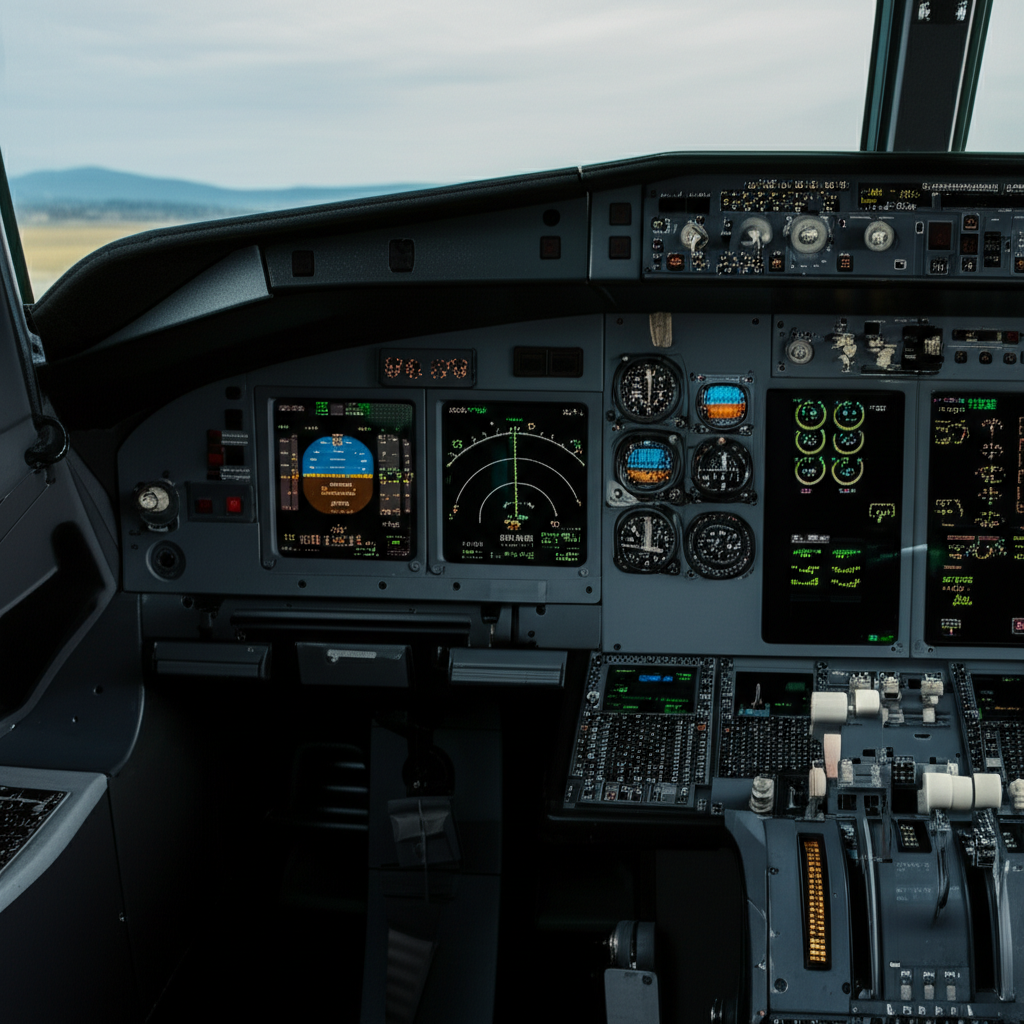
The tech log is how pilots talk to mechanics without ever meeting face to face. A captain lands in Denver, writes up a problem with the autopilot disconnect button in the tech log, and walks to the hotel. Three hours later, a maintenance crew reads that entry, troubleshoots the issue, fixes it, signs off the repair in the same log, and the next crew shows up to find a clean aircraft ready to fly. That handoff happens thousands of times a day across the global airline fleet, and the tech log is the document that makes it work.
Probably should have led with this section, honestly: the tech log is legally required. You cannot dispatch a commercial aircraft without a current, properly maintained technical log. Aviation authorities worldwide, from the FAA to EASA to Transport Canada, mandate its use. An inspector can pull the tech log at any time during a ramp check and review it on the spot. If entries are missing, incomplete, or improperly signed, the aircraft doesn’t fly until the paperwork is corrected.
What Goes in the Tech Log
The log is divided into sections that capture different types of information. The flight section records departure and arrival times, total flight hours, fuel quantities, and the number of landing cycles. Every flight adds to the running total of hours and cycles, which drives scheduled maintenance intervals. An aircraft due for a heavy check at 6,000 flight hours needs accurate hour tracking, and the tech log provides it.
The defect section is where pilots write up anything that isn’t working correctly. A cockpit light that’s burned out, a seat that won’t recline in business class, a slight vibration during approach. These entries range from minor cosmetic issues to items that could ground the aircraft. Each defect entry requires a corresponding maintenance action entry that documents what was done to fix it.
The maintenance section records all work performed on the aircraft, both scheduled and unscheduled. Scheduled items include things like oil changes, filter replacements, and system inspections. Unscheduled items are the fixes triggered by pilot write-ups. Every maintenance entry includes the technician’s name, license number, and signature.
There’s also a deferred defect section for items that don’t need to be fixed immediately. The Minimum Equipment List, or MEL, defines which systems can be inoperative while the aircraft continues to fly. A burned-out galley light might be MEL’d and deferred for up to 120 days. A faulty engine indication, obviously, cannot be deferred. The MEL deferral gets recorded in the tech log with a reference number and a deadline for repair.
The Paper Era
I’m apparently old enough to remember the paper tech logs. They were multi-part carbon copy books, usually a distinctive yellow or green. The captain would write up a defect with a ballpoint pen, pressing hard enough to create copies on the sheets below. The top copy stayed in the log, duplicates went to maintenance control, and sometimes a third copy went to the quality assurance department.
The problems with paper were endless. Illegible handwriting was constant. I once saw a maintenance entry that three different people interpreted three different ways because the technician’s handwriting was that bad. Pages got torn, stained with hydraulic fluid, or blown out of the book on a windy ramp. Revision control was manual, which meant outdated forms sometimes stayed in circulation. And retrieving historical data meant physically pulling boxes of old log books from storage, which could take days.
Going Digital
Most major airlines now use electronic tech logs, usually on ruggedized tablets mounted in the cockpit or carried by the flight crew. The pilot types the defect entry, the system timestamps it, and the information is available to maintenance control in real time. No carbon copies, no illegible handwriting, no missing pages.
That’s what makes the digital transition endearing to us aviation operations people. The data flows instantly. Maintenance crews at the destination can start ordering parts before the aircraft even lands, because they already know what the write-up says. Deferred defect tracking is automated, with the system flagging items approaching their MEL deadline. Historical searches that used to take days now take seconds.
The digital logs also enable trend analysis. If the same defect shows up repeatedly across a fleet of aircraft, the data is right there to identify the pattern. A recurring bleed air valve issue on a specific engine modification, for example, can be caught much earlier when the data is searchable and aggregated.
But the core purpose hasn’t changed since the earliest days of commercial aviation. The tech log exists to ensure that every person who operates or maintains an aircraft knows exactly what condition it’s in. It’s the connective tissue between flight operations and maintenance, and without it, the entire system of aircraft airworthiness management would fall apart. Not the most exciting document in aviation, but maybe the most important one.



Leave a Reply