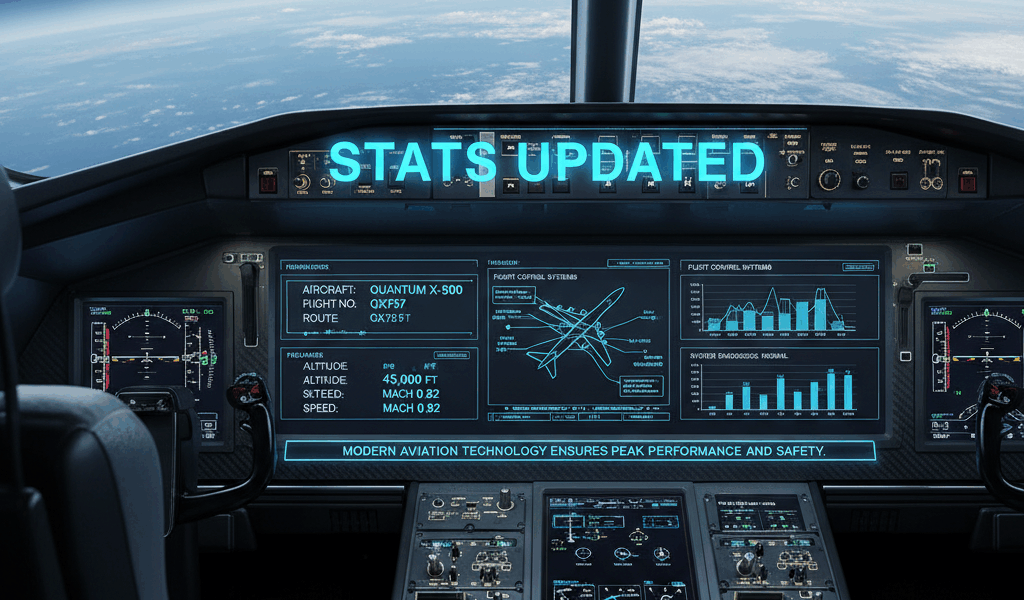
The latest monthly traffic statistics reveal an eight percent increase in aviation data system usage, marking the strongest growth rate observed in the past year and reflecting expanding demand for real-time flight tracking services.
Data compilation covered all major metrics across the aerospace information network. Query volumes reached 2.4 million requests during the reporting period, up from 2.2 million in the previous month. Flight tracking sessions increased proportionally, with users spending an average of 12 minutes per session accessing real-time aircraft position data and historical flight records.
Geographic analysis shows growth concentrated in North American and European markets, particularly among commercial aviation stakeholders. Corporate flight departments accounted for the largest usage increase, reflecting growing adoption of data-driven flight planning tools. General aviation pilots represent a steady user base with consistent engagement patterns throughout the month.
Peak traffic periods aligned with major aviation events and seasonal travel patterns. The system handled maximum concurrent users during morning departure waves at major hub airports. Evening hours saw sustained activity as international overnight flights crossed oceanic regions where users monitor progress using satellite-based tracking data.
API access statistics demonstrate the increasing integration of aerospace data into third-party applications. Automated system queries grew by 15 percent, outpacing human user interface access. This trend indicates that developers are building more applications that consume flight data feeds for logistics management, customer service tools, and operational dashboards.
Infrastructure performance remained stable despite the increased load. Average query response times held below 200 milliseconds across all service endpoints. Database optimization efforts implemented last quarter continue to deliver benefits as data volumes grow. Cache hit rates improved to 87 percent, reducing backend database load and improving overall system efficiency.
The traffic growth trajectory suggests continued expansion of aerospace data services. Capacity planning models project requirements through the next quarter, ensuring that infrastructure scaling stays ahead of demand. Enhanced monitoring tools track usage patterns in real-time, enabling rapid response to emerging bottlenecks or performance anomalies.




Stay in the loop
Get the latest aerodata updates delivered to your inbox.