
The aerospace data integration platform has successfully established connectivity to all planned external data feeds, creating a unified information hub that aggregates flight tracking, weather, navigation, and operational data from multiple authoritative sources.
Integration architecture employs standardized APIs and data exchange protocols to connect with diverse information providers. Weather services supply real-time meteorological observations and forecast data. Navigation databases provide airspace definitions, airport information, and procedure details. Flight plan systems contribute route and schedule information. Each data source connects through secure authenticated channels that ensure data integrity and proper access controls.
Data synchronization mechanisms maintain currency across all connected feeds. Real-time streams push updates as information changes, ensuring that time-critical data like weather conditions and aircraft positions remain current. Scheduled batch transfers handle less dynamic information such as airport facility updates and airspace modifications. Error handling procedures manage connectivity disruptions and retry failed transfers automatically.
The unified data model transforms information from various source formats into a consistent internal representation. This standardization enables applications to access different data types through uniform interfaces without managing the complexity of multiple external APIs. Translation layers map source-specific terminology and structures to common aviation data standards.
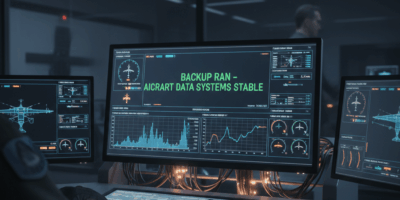
Performance monitoring tracks data flow rates and latency across all connections. Dashboard displays show real-time status of each feed with indicators for normal operation, degraded performance, or connectivity issues. Automated alerts notify operations staff when data delays exceed acceptable thresholds or when feeds stop updating entirely.
Quality assurance processes validate incoming data for completeness and plausibility. Automated checks flag anomalies such as missing required fields, out-of-range values, or inconsistencies between related data elements. Suspicious data triggers investigation workflows to determine whether issues originate from source systems or integration processing.
The operational data integration platform supports a growing ecosystem of applications and services. Flight tracking displays pull real-time position data combined with weather overlays and airspace information. Planning tools access integrated datasets to support route optimization and performance analysis. The architecture scales to accommodate additional data sources as requirements evolve.



Stay in the loop
Get the latest aerodata updates delivered to your inbox.