Today, I will share it all with you.
The headline number: the global commercial fleet logged over 80 million flight hours in 2023. That translates to roughly 10-12 hours per aircraft per day for major carriers. Every single day. It’s relentless, and it’s entirely by design.
Understanding Aircraft Utilization
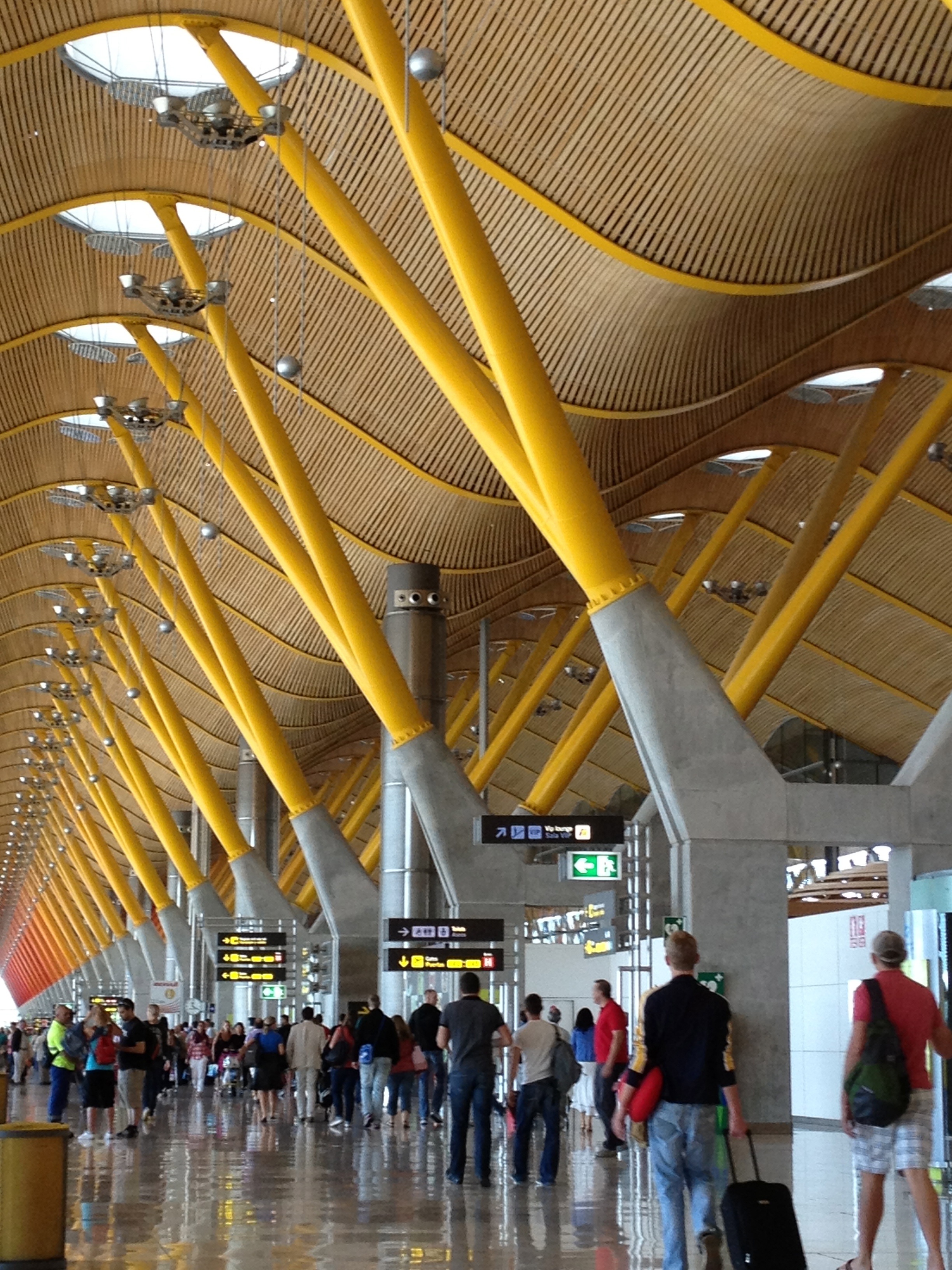
Aircraft utilization is simply how many hours per day a plane spends in the air making money. Unlike most capital assets that lose value whether you use them or not, airplanes only generate revenue when they’re flying. A $150 million Boeing 787 parked on the ramp costs its operator about $45,000 every day in ownership costs alone — before you factor in crew, maintenance reserves, or what else that plane could have been doing.
The benchmarks vary a lot depending on the operation:
- Ultra-low-cost carriers: 13-14 hours daily (think Spirit, Frontier)
- Major network carriers: 10-12 hours daily (Delta, United, American)
- Regional operators: 8-10 hours daily
- Long-haul international: 14-16 hours daily (those long flight times actually help the numbers)
The Economics of Every Hour
Each additional flight hour creates real, meaningful revenue. For a narrowbody like the A320neo working domestic routes, one extra daily flight hour can translate to $3-5 million in additional annual revenue. For widebodies on premium international routes, that number jumps past $15 million per year. I remember running these calculations for the first time and thinking the numbers had to be wrong. They weren’t.
Southwest Airlines basically built their entire business model around this concept. By flying only 737s, keeping turnaround times between 25-30 minutes, and running point-to-point routes, Southwest consistently hits utilization rates 15-20% higher than legacy carriers using similar aircraft. Simple idea. Hard to execute. Even harder to copy.
What Limits Utilization
Because there are real constraints on how much you can actually fly these things:
Turnaround Time: Those minutes between landing and the next departure determine how many flights you can pack into a day. Full-service carriers typically need 45-60 minutes for cleaning, catering, fueling, and boarding. Low-cost carriers have pushed that down to 25-35 minutes by simplifying service and using standing boarding procedures. Every minute saved at the gate is a minute earned in the air.
Crew Duty Limits: FAA regulations cap pilot duty time, and they’re non-negotiable. Flight crews can generally work 8-9 hours of actual flight time within a duty period. If you want the airplane flying longer than that, you need relief crews positioned and ready. That’s expensive and logistically painful.
Maintenance Requirements: Aircraft need scheduled maintenance at specific intervals — daily inspections, overnight checks, and the bigger A/B/C/D checks measured in flight hours or calendar time. An aircraft averaging 12 hours daily will burn through its maintenance intervals faster than one flying 8 hours. You can’t skip the checks.
Schedule Design: Hub operations naturally create peaks and valleys in utilization. Those connecting banks that make the hub model work also mean aircraft sit on the ground during connection windows, eating into potential flying time. It’s a tradeoff airlines make willingly, but it costs them utilization.
The Ultra-Long-Haul Advantage
Here’s something that seems counterintuitive. Airlines running ultra-long-haul routes — Singapore to New York at 18+ hours, Perth to London at 17+ hours — actually post exceptional utilization numbers. A single flight eats up most of the day, but the aircraft generates revenue the entire time without burning hours on turnarounds, taxiing, and ground handling.
Singapore Airlines’ A350-900ULR aircraft on the world’s longest route average 16+ hours of daily utilization despite flying just one round-trip every two days. The catch? Those specialized planes sacrifice cargo capacity and seat density for extra fuel tanks, which limits what else you can do with them. It’s a niche strategy, not a universal solution.
COVID’s Lasting Impact on Utilization
The pandemic wrecked utilization in ways the industry is still working through. At the absolute bottom in April 2020, global fleet utilization collapsed to under 2 hours daily. Most aircraft just sat parked in deserts and on taxiways. Recovery has been uneven across segments:
- Domestic US routes: Fully recovered to pre-pandemic utilization levels
- European short-haul: Bounced back to 95-100% of 2019 utilization
- Trans-Pacific: Still running 15-20% below 2019 levels, mostly because Asia was slower to reopen
- Business travel routes: Permanently lower utilization as corporate travel habits shifted for good
Technology’s Role in Optimization
Modern operations control centers use some genuinely impressive algorithms to maximize utilization, especially when disruptions hit. When weather delays cascade through a hub, these systems automatically resequence flights, swap aircraft, and shuffle crew assignments to recover utilization as fast as possible. I’ve watched an ops center recover from a two-hour ground stop in ways that would have taken all day a decade ago.
Predictive maintenance systems help too, by cutting down on unscheduled aircraft-on-ground events. Catch a potential failure before it happens and you schedule the repair during planned downtime instead of losing revenue flights to surprise mechanical issues.
Regional Variations
Where you operate matters enormously for utilization:
Middle Eastern carriers like Emirates, Qatar, and Etihad lead the industry through 24-hour hub operations and predominantly long-haul networks. Their geographic positioning lets them dispatch flights toward Europe in the evening and toward Asia in the morning, squeezing maximum productivity from every airframe.
European carriers face real utilization headaches from night flight restrictions at major airports and shorter average routes that mean more turnarounds per day.
Asian carriers benefit from dense route networks with high frequencies but run into crew availability problems as pilot shortages bite in fast-growing markets.
The Future of Utilization
Several trends will reshape aircraft utilization going forward:
Electric and hydrogen aircraft may need longer turnarounds for charging or refueling. That could actually reduce daily utilization even if the environmental benefits are real. It’s a tension the industry hasn’t fully reckoned with.
Autonomous operations could theoretically eliminate crew duty limits, but regulatory approval for that is decades away at minimum. Don’t hold your breath.
Airport capacity constraints at major hubs are increasingly the binding limitation. Airlines with slots at congested airports sometimes can’t add flights even when they have aircraft sitting idle. It’s dozens of constraints all pushing against each other at once.
Key Takeaways
- Aircraft utilization is the single biggest driver of airline profitability — each additional flying hour generates major incremental revenue
- Industry benchmarks span 8-14 hours daily depending on the type of operation
- Turnaround efficiency, crew limits, and maintenance schedules all constrain maximum utilization
- Ultra-long-haul routes post the highest utilization despite fewer flight cycles
- Technology keeps pushing the boundaries through smarter scheduling and predictive maintenance
Data sources: IATA, Airlines for America, OAG, manufacturer operating statistics

Stay in the loop
Get the latest aerodata updates delivered to your inbox.