
Understanding Air Traffic Patterns

Air traffic patterns have gotten complicated with all the tracking tools and data visualization hype flying around. Today, I will share it all with you.
Traffic patterns describe how aircraft move through airspace in organized flows, from continent-spanning networks all the way down to the specific approach sequence at your local airport. They shape flight schedules, determine delays, and ultimately define whether your flight lands on time or circles for 45 minutes. Understanding them is essential for anyone who works in this industry or just wants to know why air travel works the way it does.
Global Traffic Flows
Commercial aviation follows predictable corridors connecting major economic centers. These aren’t random — they reflect demand, geography, and wind patterns that have developed over decades:
North Atlantic Tracks
This is the busiest oceanic airspace on Earth. Hundreds of daily flights cross between North America and Europe. The NAT system publishes fresh tracks every single day, optimized for prevailing winds — eastbound tracks ride the jet stream while westbound tracks dodge it. The result is waves of arrivals hitting European airports each morning and North American airports each afternoon. I used to watch the traffic build on the tracking displays and it genuinely looks like a migration pattern.
Pacific Crossings
Trans-Pacific routes link Asia with North America, and the traffic patterns here get shaped by polar routing options, the politics of Russian overflight access, and where the major hubs sit — Tokyo, Seoul, Hong Kong, and increasingly, cities in Southeast Asia.
Hub-and-Spoke Networks
Major airlines funnel traffic through hub airports, which creates distinctive connection waves. Atlanta, Dallas, Chicago, Frankfurt, Dubai, Singapore — they all show that characteristic pulse of morning and evening banks when connecting flights arrive and depart in coordinated surges. It’s orchestrated chaos.
Daily Traffic Variations
Air traffic follows remarkably predictable daily rhythms driven by passenger preferences and operational limits:
Morning Departure Banks
Business travelers drive the early morning rush. Peak departures typically hit between 6 and 9 AM local time. Airlines park their premium routes in these windows to capture business demand, while leisure routes get pushed later in the day.
Midday Lull
Traffic drops between the morning and afternoon peaks. Some airports use this breather for maintenance activities or training flights. It’s the calmest part of the day in most control towers.
Evening Arrival Peaks
Return traffic concentrates in late afternoon and evening hours, creating arrival congestion at business destinations. Airports and ATC have to actively manage these peaks through flow control and slot allocation to keep things from gridlocking.
Night Operations
Cargo flights dominate overnight hours when passenger traffic drops off. Airports with night curfews see dramatic traffic drops, while cargo hubs like Memphis and Louisville actually hit their peak volume in the dark hours. It’s a completely different world after midnight at a FedEx hub compared to during the day.
Weekly Patterns
Traffic varies a lot across the week, and the patterns are surprisingly consistent:
- Monday: Heavy business outbound traffic as road warriors start their weekly trips.
- Tuesday-Wednesday: Stable mid-week business volumes. These are actually the easiest days for ATC.
- Thursday: Business returns begin while weekend leisure travelers start heading out. Traffic builds.
- Friday: The busiest day at many airports. Business returns collide with leisure departures. It’s controlled chaos.
- Saturday: Primarily leisure traffic. Total flight counts are usually lower but load factors stay high.
- Sunday: Leisure returns plus business pre-positioning creates brutal afternoon and evening peaks.
Seasonal Variations
Layered on top of daily and weekly patterns, seasonal shifts drive big swings in traffic volume:
Summer Peak
Northern Hemisphere summer — June through August — brings peak leisure traffic. European beach destinations, family vacation routes, and resort areas hit maximum demand. Airlines add summer-only routes to seasonal destinations that don’t justify year-round service.
Winter Patterns
Holiday travel creates December spikes, followed by the January-February lull when nobody wants to fly anywhere. Ski destinations and warm-weather escapes see their own winter demand curves while business routes go quiet over the holidays.
Shoulder Seasons
Spring and fall bring balanced traffic without the extreme peaks. Lower fares, less congestion, and more reliable operations. If you can choose when to travel, these are your best bet.
Regional Variations
Patterns differ hugely by geography. Middle Eastern carriers see massive traffic spikes around Hajj. Asian markets peak around Lunar New Year. Southern Hemisphere destinations hit their stride during northern winter. The global traffic calendar is anything but uniform.
Airport Traffic Flow
Each individual airport manages its own traffic through specific mechanisms:
Runway Configuration
Wind direction dictates which runways are active, and that determines arrival and departure routes. Configuration changes disrupt traffic flow and can temporarily reduce capacity. A wind shift at a busy airport during peak hours creates immediate headaches for controllers.
Arrival Sequencing
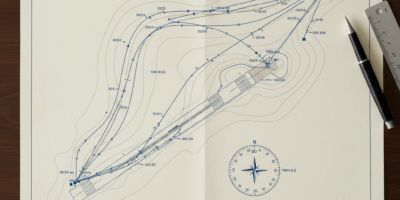
ATC sequences arriving aircraft using approach fixes where planes join standardized paths. Spacing requirements depend on aircraft size categories and wake turbulence — a heavy 777 needs more room behind it than a regional jet. Getting the sequence right is an art form.
Departure Releases
Departures get released based on available routes, runway capacity, and restrictions further down the line. Ground stops hold aircraft at gates when destination airports or en route airspace can’t absorb any more traffic.
Surface Movement
Taxiway congestion and gate availability affect overall airport throughput in ways that aren’t always obvious from the air. During peak periods, taxi delays stack up as aircraft queue for runways or wait for gates to open.
Airspace Structure
Traffic patterns follow published airspace structures that provide the framework for organized flow:
Airways and Routes
Defined airways connect navigation points, with specific altitude assignments based on direction of flight. In the US system, aircraft generally fly even altitudes westbound and odd altitudes eastbound. Simple rule. Keeps opposing traffic separated vertically.
Terminal Areas
Complex terminal airspace around busy airports uses Standard Terminal Arrival Routes (STARs) and Standard Instrument Departures (SIDs) to channel traffic efficiently. These procedures define exact paths and altitudes that keep arriving and departing aircraft safely apart.
Special Use Airspace
Military operating areas, restricted zones, and temporary flight restrictions force traffic to route around them, sometimes adding significant distance. Flight planners have to account for all of it.
Traffic Flow Management
ATC actively shapes traffic patterns when demand exceeds capacity:
Ground Delay Programs
When arrival demand outstrips capacity — usually because of weather — flights get held at their departure airports instead of being launched into the air. Saves fuel, reduces airborne congestion, and is generally better for everyone.
Miles-in-Trail Restrictions
Controllers impose minimum spacing between aircraft, effectively limiting how much traffic flows through congested areas. It slows things down but keeps them orderly.
Reroutes
Weather, military activity, or congestion can trigger reroutes that redirect traffic across wide areas. These get coordinated between facilities and updated as conditions change.
Data Sources for Traffic Analysis
If you want to study traffic patterns, several sources provide the raw data:
- ADS-B aggregators: FlightAware, Flightradar24, and similar platforms compile position data from thousands of ground stations and satellite receivers.
- Official statistics: The FAA, Eurocontrol, and other authorities publish detailed traffic data that’s gold for analysis.
- Schedule data: OAG and airline schedules show planned traffic patterns, which you can compare against actual operations.
- Performance data: Systems like OPSNET track actual operations against plans, revealing where theory and reality diverge.
Key Takeaways
Air traffic patterns emerge from the interaction of passenger demand, airline economics, airport infrastructure, and airspace management. Daily, weekly, and seasonal rhythms create predictable cycles that shape how the entire industry deploys its resources. Understanding these patterns enables smarter operational planning, more realistic travel expectations, and better-informed decisions about where to invest in infrastructure next.


Stay in the loop
Get the latest aerodata updates delivered to your inbox.