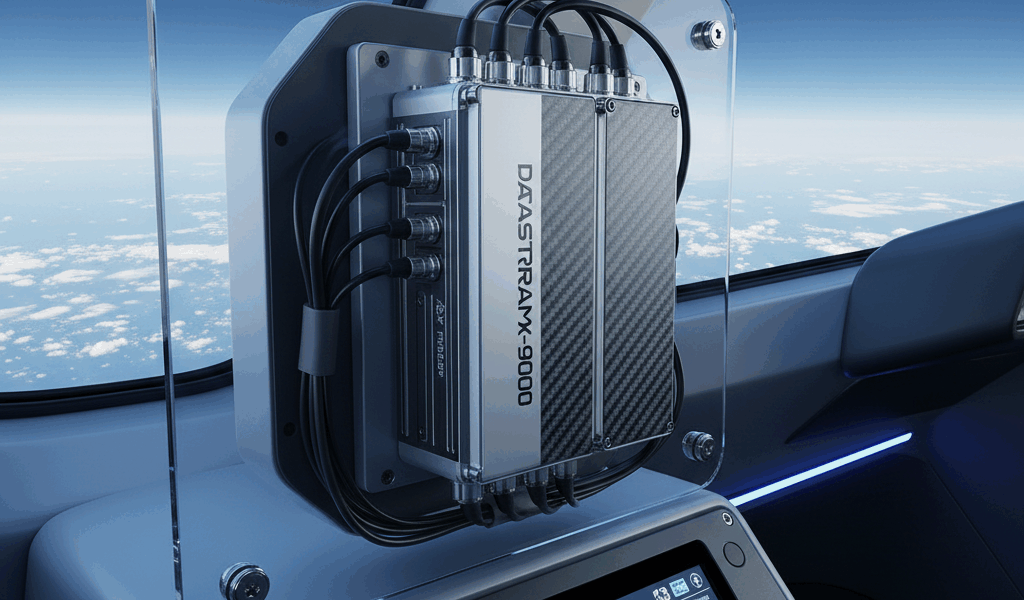
New Receiver Installation Expands Coverage Area
Expanding ADS-B receiver networks directly improves data quality and coverage reliability. Each new receiver installation fills gaps in the tracking grid, extending range into previously underserved regions and adding redundancy to existing coverage zones.
Receiver placement requires careful site selection considering elevation, visibility, radio interference, and infrastructure availability. Optimal locations provide unobstructed views of major flight corridors while minimizing signal degradation from buildings, terrain, or electromagnetic noise sources.
Modern ADS-B receivers combine software-defined radio hardware with specialized filtering and amplification circuits. The 1090 MHz signal from aircraft transponders arrives at low power levels, requiring sensitive front-end amplifiers to maintain reliable detection at maximum range. Quality antennas with appropriate gain patterns extend effective range beyond 200 nautical miles at altitude.
Installation procedures include antenna mounting, coaxial cable routing, receiver configuration, and network integration. Grounding and lightning protection systems safeguard equipment during electrical storms. Power backup systems maintain operation during utility interruptions, ensuring continuous coverage for critical airspace monitoring.
After installation, calibration processes verify receiver performance through range testing, signal strength measurement, and position accuracy validation. Comparison against neighboring receivers confirms proper operation and identifies any installation issues requiring correction.
Network integration routes decoded position reports from the new receiver to central aggregation servers. Data validation filters ensure message quality meets minimum standards before insertion into production databases. Each receiver contributes its unique perspective to the overall tracking network, with multiple receivers providing independent verification of aircraft positions.
Coverage improvements become visible immediately as the receiver begins detecting aircraft previously beyond network range. Analytics platforms show increased message rates, extended tracking duration, and improved position update frequency in the newly covered region.



Stay in the loop
Get the latest aerodata updates delivered to your inbox.