Vacation package booking has gotten complicated with all the online travel agency options flying around. As someone who has worked extensively with travel technology platforms, I learned everything there is to know about how tools like Sabre Vacations actually build and sell those bundled trips. Today, I will share it all with you.
What Sabre Vacations Actually Is
But what is Sabre Vacations? In essence, it’s a booking platform that travel agents use to search for, compare, and book vacation packages that bundle flights, hotels, and car rentals together. But it’s much more than that. It connects agents to an enormous inventory of travel suppliers and handles the logistics of combining separate components into a single itinerary.
Probably should have led with this section, honestly: most travelers never see Sabre Vacations directly. It runs behind the scenes. When you walk into a travel agency or call your corporate travel department and ask them to put together a week in Cancun, there’s a decent chance the agent is pulling up Sabre Vacations to find the options they’re about to present to you.
How Travel Agents Use It
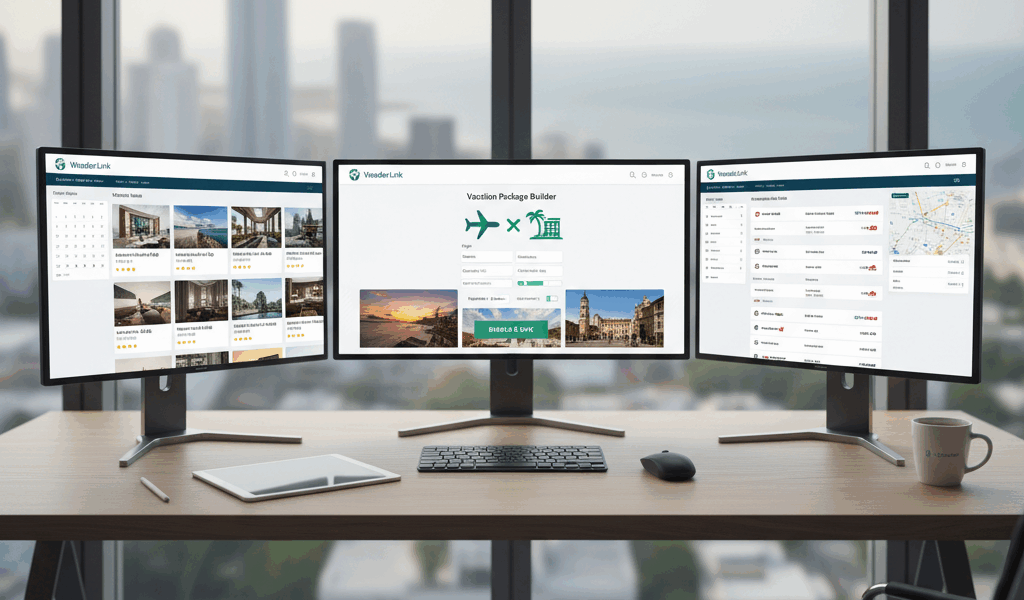
The workflow is pretty straightforward from the agent’s perspective. They enter a destination, travel dates, number of travelers, and any preferences. The system searches across its connected suppliers and returns available packages. Agents can filter by price, hotel star rating, airline, room type, and a dozen other criteria.
What makes it useful for agents is the comparison capability. Instead of checking airline availability on one screen and hotel inventory on another, everything comes back together. The agent sees the total package price and can swap components. Don’t like the hotel? Switch it. Prefer a different airline? The system recalculates the package instantly.
I sat behind a travel agent in a Florida agency once while she booked a family vacation to Disney World through the system. She pulled up five different hotel options, two rental car providers, and three flight combinations in under two minutes. She then compared the total cost of each combination on screen and walked her client through the trade-offs. The client picked a package, she booked it, and the confirmation went out to all three suppliers simultaneously. The whole thing took maybe 15 minutes.
The Key Features
Package Search
The search function handles a lot of variables at once. Agents can set date ranges and let the system find the cheapest combination within a window. This flexibility is a selling point because most leisure travelers have some wiggle room on exact dates, and shifting departure by one day can sometimes save hundreds of dollars.
Booking Management
Once a package is booked, the management tools track everything. Flight changes, hotel modifications, cancellation deadlines. If an airline changes the flight time, the system flags it so the agent can notify the client. It centralizes what would otherwise be three or four separate reservation systems into one dashboard.
Exclusive Deals
Sabre negotiates rates with suppliers that aren’t available to the general public. Hotels and airlines offer lower rates through the GDS channel because they know agents will fill rooms and seats that might otherwise go empty. These negotiated rates are one of the reasons using a travel agent can sometimes beat booking directly online, though most consumers don’t realize this.
Why Agents Prefer It
The breadth of inventory is the main draw. Sabre Vacations connects to airlines, hotel chains, independent properties, car rental companies, and activity providers globally. An agent working with Sabre Vacations can book a package that includes a flight on Delta, a room at a Marriott, and a rental from Hertz, all in one transaction.
Complex itineraries are where it really shines. Multi-city trips, open-jaw flights, extended stays with a mid-trip hotel change. These are scenarios that consumer-facing booking sites handle poorly but that Sabre Vacations was designed for. I’m apparently the kind of traveler who plans overly complicated itineraries, and I can tell you that the agent-assisted booking through systems like this produces better results than trying to piece it together on Kayak or Google Flights.
The Bigger Picture
That’s what makes Sabre Vacations endearing to us travel-tech followers. It represents the plumbing of the travel industry. Travelers see the pretty front-end of booking sites and apps, but underneath, platforms like Sabre Vacations are doing the heavy lifting of connecting buyers with suppliers at scale.
Sabre Corporation, the parent company, is a global leader in travel technology with roots going back to the 1960s. Their platform processes billions of dollars in travel bookings annually. The infrastructure, the supplier relationships, the data integration, all of that supports what the agent sees on screen when they pull up a package search.
The system keeps evolving too. Sustainability filters let agents find eco-certified hotels. Mobile-friendly interfaces let agents work from anywhere. Integration with customer profiles means repeat clients get personalized suggestions based on past travel preferences.
The travel industry changes fast. New destinations trend, airlines adjust routes, hotels open and close. Sabre Vacations adapts by continuously updating its inventory and features. For travel agents who make their living building trips for clients, having a reliable and comprehensive tool behind them makes a real difference in the quality of service they can deliver.



Stay in the loop
Get the latest aerodata updates delivered to your inbox.